 Travel Bulletin Board
Europe on a Shoestring: A Complete Guide
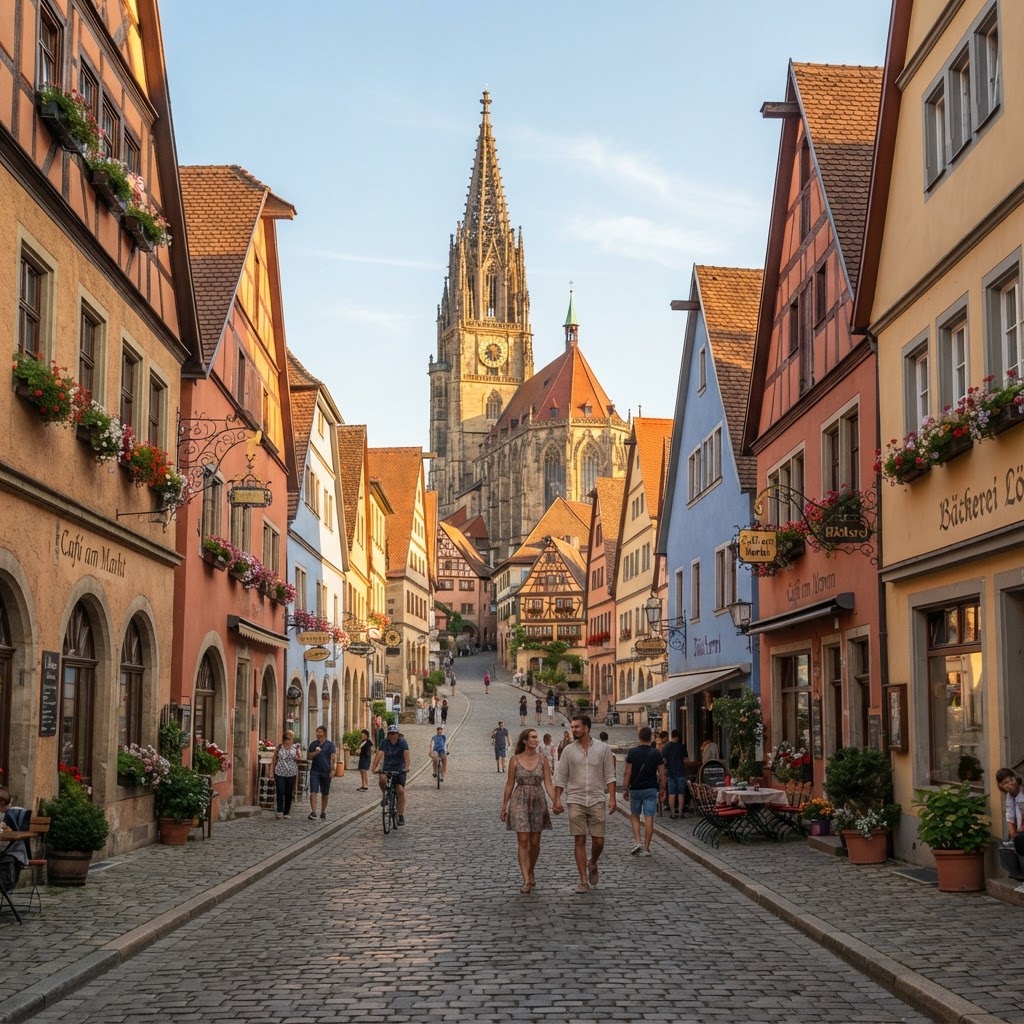
Europe has a reputation for being expensive, and cities like Paris, London, and Zurich certainly are. But the continent is full of destinations where a budget traveler can live comfortably on forty to sixty dollars a day. This guide covers where to go, where to stay, how to get around, and how to eat well for less.
The Cheapest Cities in Europe
Eastern Europe is where the value lives. Budapest, Prague, and Krakow offer stunning architecture, rich history, and vibrant nightlife at roughly half the cost of Western European capitals. A pint of beer in Budapest is two dollars; a hearty meal in Krakow is five.
Further east, Sofia, Bucharest, and Belgrade are even cheaper — among the most affordable capital cities on the continent. Porto and Lisbon in Portugal are the budget standouts of Western Europe, with excellent wine, food, and accommodation at reasonable prices.
Budget Accommodation
Hostels are the backbone of budget European travel, and the quality has never been higher. Modern hostel chains like Wombat’s, St. Christopher’s, and Generator offer private rooms with en-suite bathrooms for thirty to fifty dollars in most cities. Dorm beds start at fifteen.
For couples or small groups, budget hotels and Airbnb apartments outside the city center are often cheaper than two hostel beds. Look for accommodations near public transport rather than in the old town — a ten-minute metro ride can halve your nightly cost.
Getting Around Cheaply
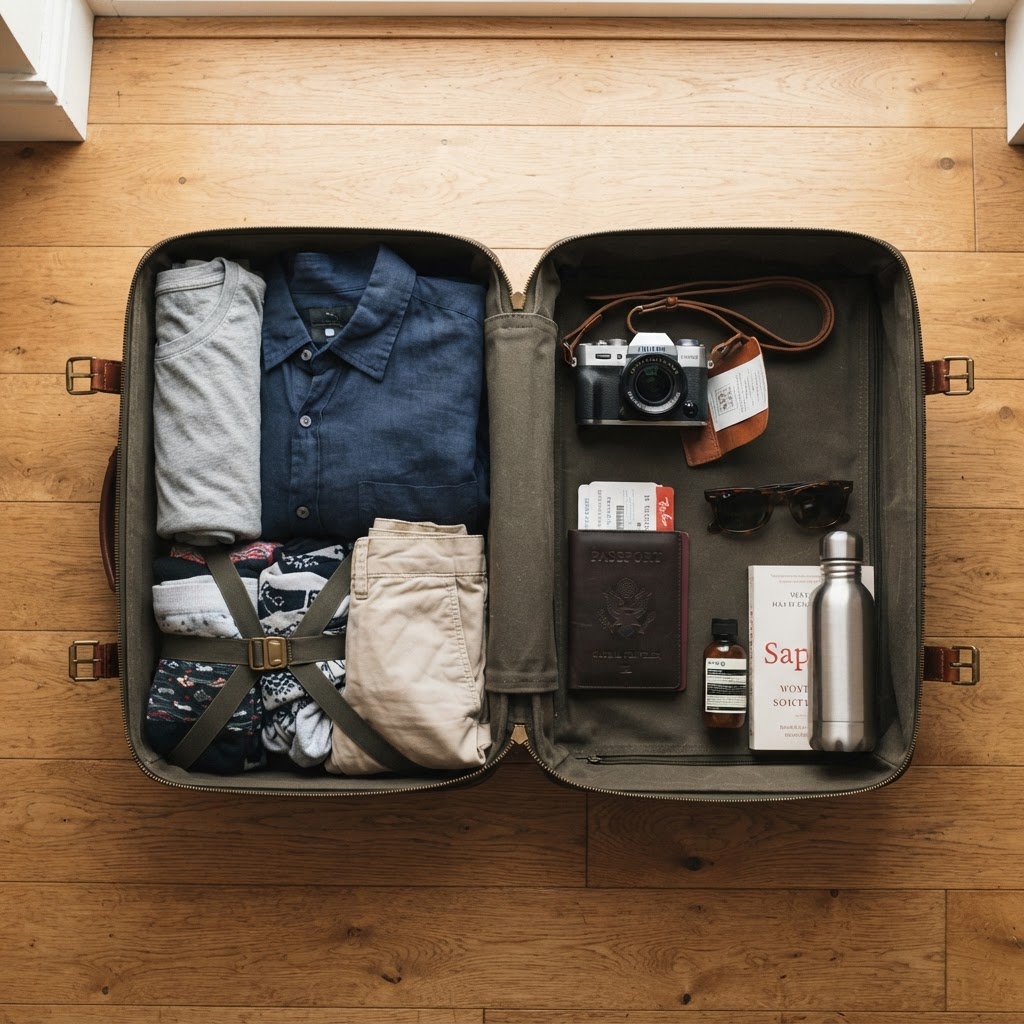
Budget airlines like Ryanair, Wizz Air, and easyJet connect virtually every European city for thirty to sixty dollars if you book ahead. Watch for baggage fees — a carry-on-only strategy saves the most. For ground travel, buses (FlixBus) are cheaper than trains, and overnight buses save a night of accommodation.
Eurail passes can be good value if you plan to cover a lot of ground, but point-to-point tickets are often cheaper for shorter routes. Always compare. Within cities, walking and public transport day passes are far cheaper than taxis.
Eating Well for Less
The single biggest food-budget saver in Europe is eating your main meal at lunch. Many restaurants offer a fixed-price lunch menu — two or three courses for eight to twelve euros — that would cost double at dinner. This is especially true in Spain (menu del dia), France (plat du jour), and Italy.
Street food and market stalls are your friends. A slice of pizza in Rome, a doner kebab in Berlin, a pastel de nata in Lisbon — all under three dollars. Picnic with bread, cheese, and wine from a supermarket and you eat like royalty for five euros per person.
Free Things to Do
Almost every major European city offers free walking tours (tip-based). Many museums have free entry on certain days or evenings — the Louvre is free on the first Saturday evening of each month, the Prado offers free hours every evening. Churches, cathedrals, parks, and historic neighborhoods cost nothing to wander.
A Sample Two-Week Budget Itinerary
Fly into Budapest (3 nights), overnight train to Krakow (2 nights), bus to Prague (3 nights), bus to Berlin (3 nights), fly home from Berlin. Total estimated cost for accommodation, food, transport, and activities: 700 to 900 dollars for a solo traveler, less per person for a couple sharing a room.
Europe rewards the flexible and the curious. Skip the famous five cities, venture east, eat where the locals eat, and you will have a richer experience for a fraction of the cost.